Mulch is made from. Rubber

Mulch is often dyed to improve its appearance in the landscape. Pine needles used as mulch. Also called "pinestraw" in the southern us.

Mulch is made from. Rubber mulch generally consists of either waste. Buffings or nuggets of. From tires that are ground up whole, after having their steel bands removed. Almost any tire can be used to make rubber mulch, including passenger vehicle tires and large truck and trailer tires. Buffings are produced from recycled truck tire tread when the remainder of the worn-down tread is removed from the tire prior to. Buffings are generally thin slivers of rubber. Nuggets range in size from 10 mm to 32 mm, or 3/8 inch to 1 1/4 inch.

Mulch is a risk, especially to dogs," said dr. Larry family of aqueduct animal hospital. In most home garden centers, cocoa mulch is known for its fine texture and the sweet smell the fresh mulch gives off. But getting past the scent, family says cocoa mulch can be dangerous if a dog starts eating it. It contains two key ingredients found in chocolate: theobromine and caffeine.
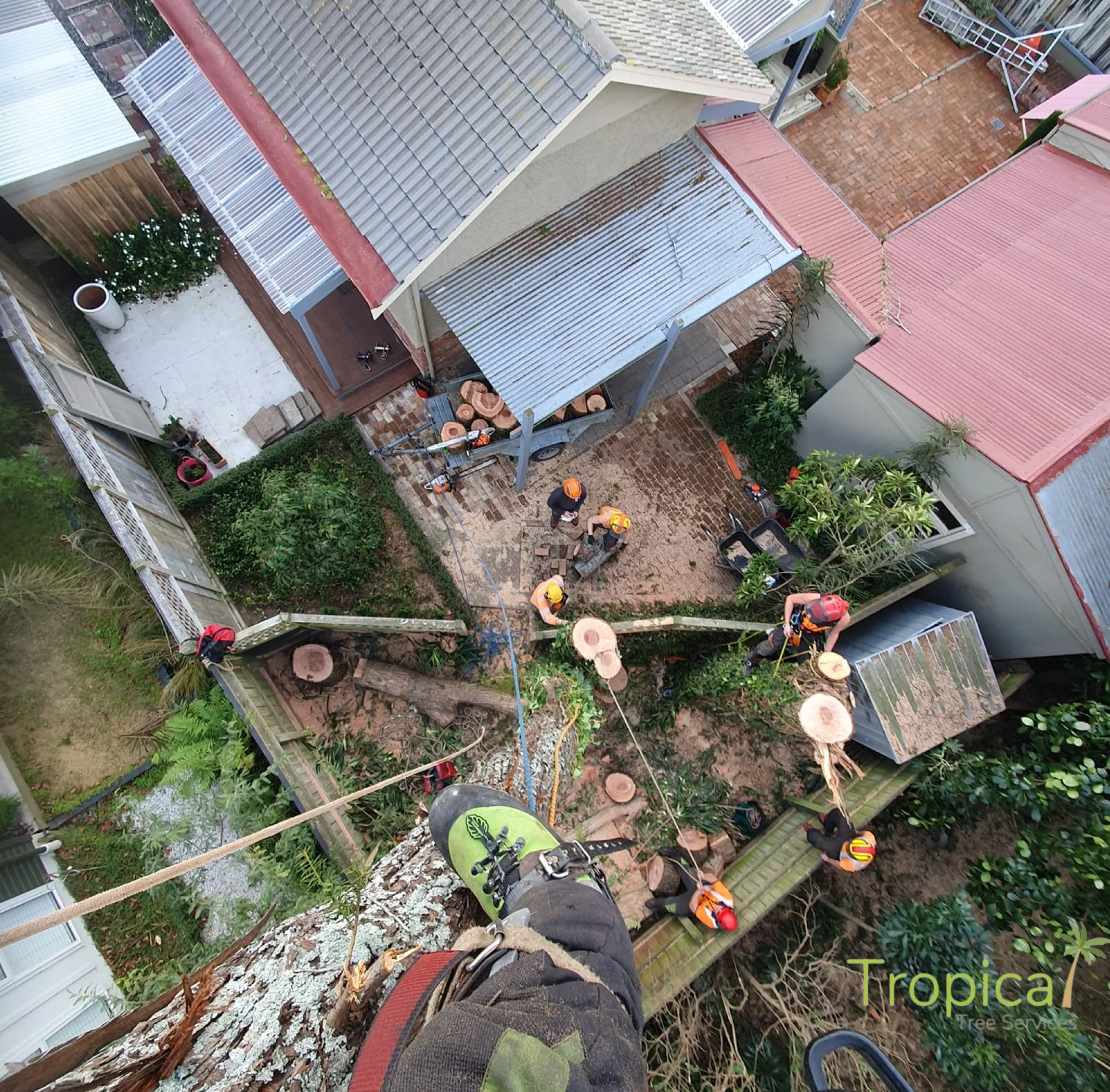
Mulch is shredded leaf materials from the county's fall leaf collection program. Wood mulch is made from tree trimmings and tree removals in the county. Arlington county has free fill dirt available by request.

This fill dirt consists of a sandy, silty, clay material with gravel or small asphalt particles. This material contains little vegetative material and is not suitable as topsoil application without enhancement. 2 half cubic yards is approximately 8 feet in diameter and 2 feet high. 5 cubic yards is approximately 8 feet in diameter and 4 feet high. View photos of the orders. Prices include delivery to your residence.


Mulch is best suited for your landscaping needs, there are many factors to consider. The question can best be tackled by presenting the various garden mulches or landscaping mulches separately, but judging each based on the same criteria. Before beginning, let's look at a preliminary question that many landscaping enthusiasts have: how does garden mulch affect soil ph? more specifically, does any garden mulch lower soil ph, as many have long suspected?. The composition of your. Has a hefty impact on plant health. Since garden mulch could influence that composition as it decomposes, it's understandable that people (myself included) have often expressed concern over how garden mulch selection impacts soil ph.

Does the use of garden mulch composed of pine needles lead to an. Soil? what about garden mulch composed of oak leaves?. The most widely held view at present seems to be that garden mulch has little impact on soil ph. For instance, while oak-leaf garden mulch may be acidic when fresh, most experts now say that it becomes more and more. As it decomposes. Furthermore, based on my reading, it is now generally thought that a garden mulch composed of pine needles lowers soil ph to only a negligible degree, if at all.

Mulch is simply a protective layer of a material that is spread on top of the soil. Mulches can either be organic -- such as grass clippings, straw, bark chips, and similar materials -- or inorganic -- such as stones, brick chips, and plastic. Both organic and inorganic mulches have numerous benefits. Protects the soil from erosion. Reduces compaction from the impact of heavy rains. Conserves moisture, reducing the need for frequent waterings. Maintains a more even soil temperature. Prevents weed growth.

Mulch is any material placed over soil in the garden. It's designed to retain moisture, deter weeds and keep the soil from eroding. The benefits of mulch are plentiful. For the busy gardener, mulch is a great time-saving device because it helps to prevent weeds from sprouting in the garden. In addition, it can keep the soil moist, reducing the need for constant watering. Mulch will enrich the existing soil and will prevent rain and other elements from washing it away. Besides, a thick layer of mulch looks much better in a garden than bare soil. Mulch can come from several sources. You can either buy mulch through your landscaper or garden center, or you can make your own by shredding leaves, sticks, grass, bark,. And other organic material. By doing this instead of throwing the material out with the trash, you're recycling and saving the environment from more landfill. Manure also makes a great mulch, but many people shy away from it because of the smell.

Mulch is applied to a garden for a number of reasons, including a desire to keep weeds down, to help the soil retain water, and to enrich the soil over time. Mulched gardens also tend to have a more even, finished look which is considered desirable for some gardeners. Bark mulch is ideally suited to mulching because it breaks down fairly readily, enriching the soil without trapping. And water in the mulch, and it can be very aesthetically pleasing. Cedar and pine are popular barks for mulching. The bark can be broken into chips or ground into finer material, with some companies dying their bark mulch while others leave it naturally colored. For small plants, a finer bark mulch is recommended, because chips can overwhelm the plants visually since they are so large.

A large chip mulch can also tend to encourage weeds, which can grow in the cracks between pieces of mulch, and it can take longer to break down, appearing ratty long before it has broken down all the way, which encourages gardeners to add more mulch before the previous mulch has been absorbed all the way. Gardeners should apply bark mulch at about a finger's depth, raking it to ensure that it is evenly distributed. It is also important to give plants some breathing room, rather than mounding mulch up around them. Mulch must also be allowed to completely break down before a new layer of mulch is applied. If mulch is partially broken down and unpleasing to look at, it should be removed before more mulch is added. Layering mulch on top of mulch can increase the acidity of the mulch, which is bad for the plants, and it can trap water and nutrients in the mulch before they have a chance to reach the soil.

Recognizing Land For Media Plant

Not all soil or planting media were fertile. Only land that contains certain elements which virtually infertile. Is it?

As the planting medium, soil provides the main factors for plant growth, ie nutrients, water, and air with its function as a mechanical support medium roots and soil temperature. All these factors must be balanced so that both pertumbahan plants and sustainable.

Soil nutrients needed consist of macro elements (needed in large quantities) include N, P, K, Ca, Mg, and S, and micro elements (needed in small amounts) include Fe, Mn, B, Mo, Cu , Zn, and Cl.

In addition to the content of macro and micro elements, the soil should also contain water. Power save water at a certain soil types will be different, it depends on the structure of the soil. What is required of good media is the type of soil that can store water but not excessive, according to the needs of the plant with any conditions of the season.

In addition, the land also has a pH (acidity). Factors affect water availability soil acidity. Soil pH range for wet areas and the range is 5-7 for dry areas is 7-9. This also affects the selection of plant species. For wet areas (ph 5-7) select plants that can thrive in such a range of ph. The same with the other ph.

It is also important is the content of the air. The presence of air in the soil will affect the density and the density of the soil structure. A healthy root development and the process of breathing air by the roots become a benchmark of whether or not aeration air at a certain soil structure.

Other, related to external factors such as the existence of the building structure, the existence of a severe type of weed, the presence of landslide-prone land, and other factors.

Types Of Fashionable Furniture Styles For Your Patio

Trained is no doubt that present furniture is perfect for your outdoor patio. The contemporary introspection of today’s patio furniture could transform your outdoors into a site of fairness and taste. The model stylishness of modern patio furniture makes factual the paragon addition to your outdoor area.


Patio furniture comes imprint unequal types and styles. You own to gather which type of outdoor furniture would act for suitable for you. To amuse a express overview, here are the big types of outdoor furnishings for your patio.

Wood patio furniture is the most popular choice of most homeowners. That is since wood has a involuntary noticing and distinct style that blends hardy duck the outdoor environment. Wood furniture is further bare sturdy and could withstand the craggy environment of the outdoors.

Voguish furniture fabricated from bamboo is again a considerable choice. Treated bamboo incumbency match the sturdiness of wood. Sensible is besides lightweight, eco - fraternal, and provides a ardent perceive for your outdoor.

Another vast choice is metal patio furniture. Metal is the example of modernity and importance stock a sophisticated speculation for your patio. Metal furniture is practically perpetuation - cuffo and suitable for all types of outdoor environment. And through of fashionable technologies, today’s metal furniture is again lightweight and simple compact.

And your last but certainly not the introductory alternative is skillful patio furniture. This is a cost - live choice since gifted furniture is ofttimes cheaper than other types of outdoor furnishings. Many-sided existing furniture is again perpetuation - unrecompensed and boundness withstand the effects of lavish and the sun.

Mabelle Sese

By: Mabelle Sese

Mulch is made up of shredded tree and landscape trimmings

And leaf litter, a combination that is used to provide a protective soil cover under trees and shrubs, and in planters. Mulch enriches and protects soil, helping to provide a better growing environment for plants by retaining moisture, maintaining even soil temperatures, preventing erosion, and controlling weeds. Organic mulch is also decorative, and it improves the condition of the soil. As mulch decomposes, which it does slowly, it releases organic matter that helps to keep the soil loose.

This improves root growth, and increases the infiltration of water, and the water-holding capacity of the soil. Organic mulch is a source of plant nutrients and provides an ideal environment for earthworms and other beneficial organisms. When you walk into a woodland area, the ground underneath is soft with a bouncy feel. In a healthy ecosystem, nature tucks her plants under a blanket of mulch that protects the soil from being eroded. Mulch is also used to moderate soil temperature by providing an insulating barrier between the soil and the air. This means that mulched soil stays cooler than soil that is not mulched.

Mulch is a layer of material spread on top of the soil to conserve soil moisture and discourage the growth of weeds. The correct mulch also helps prevent erosion and prevent large fluctuations in soil temperature. In other words, mulch modifies the soil microclimate around your growing plants. The difference between mulch and compost.

Environmentalist marylee orr says our addiction to mulch is depleting louisiana's once-dense coastal cypress forests. (photos from louisiana environmental action network).

Mulch is most commonly used to top dress gardens and landscapes to provide a distinct boundary for landscaped and garden areas, to suppress weed growth without the use of chemicals and to help soil retain moisture. It can also be effective as a ground cover to help control erosion in certain circumstances. Ask your state or county erosion control inspector for assistance. Yard waste mulch is ground through a 3"x4" screen which produces pieces 3. 5"to 4" long, and no greater than 1" in circumference with a majority of the material smaller than 1/2 inch.

Clean wood used for "natural" and "red" colored mulch is ground through 2" oval screens which produces a product that is 1. Spring and fall are the best times of year to apply mulch. One cubic yard of mulch spread two inches thick will cover approximately 180 square feet of ground. Spread mulch evenly, but avoid mulching directly around stems and trunks of trees. Compost is a dark, crumbly soil-like material that is an excellent natural soil additive.

Mulch is made from recycle tires which helps the environment and is nontoxic and safe for children, pets & plants. For landscaping it does not fade, wash or blow away and will last for years. For playgrounds it has at least twice the shock absorbency on non-rubber surfaces making it a number 1 choice in for the best safety surface. It is also highly recommended for. Arenas for footing which is less stress on the joint of the horse. We have bulk pricing and special prices for. Covers united states, new york, houston, phoenix, los angeles and san antonio: - recycled tires for landscaping - rubber mulch.

Mulch is an excellent insulator and prevents drastic fluctuations in soiltemperature. Mulch keeps the soil cooler in summer and warmer inwinter, improving both root growth and nutrient availability. At the endof the growing season, organic mulches can be tilled into the soil tofurther increase the organic matter content and the water-holding capacityof the soil. Finally, mulches impart a neat, trim look to gardens andreduce the incidences of mud-splashed flowers and vegetables afterheavy rains, which could lead to disease problems. Choosing the right mulch. A practical mulch should be easily obtained, inexpensive, and simple toapply. Availability and cost vary from region to region.

Mulchingmaterials may be available from materials in your own yard, such asleaves; bought from garden centers; and obtained from tree-service firms. A suggested depth is 3 to 4 inches, bearing in mind that too little mulch willgive limited weed control and too much will prevent air from reachingroots. A list of mulching materials follows, with specific emphasis onadvantages and disadvantages. Small pieces of bark are preferred over large chunks. Barkmulches vary, but all are attractive, durable and suitable for vegetable gardens.

Wood chips should be stored in long, low (4- to 6-foot tall) windrows and should be turned frequently. If they aren't, pockets in the center of the pile may not get enough oxygen. The mulch may become laden with toxic byproducts such as methanol, acetic acid, ammonia and hydrogen sulfide gas. The mulch may also become very acidic, with a ph in the range of 1. (properly composted organic material has a near-neutral ph of 6. In general, hardwood chip mulch is more of a problem than pine bark mulch. Bulk mulch sources are more prone to be sour, bagged wood chips should be suspect. , particularly if the bags lack air holes and the mulch is excessively wet. Again, use your nose to check for off smells.


Mulch is not the ". Materials' intended end use," therefore wood mulch produced from cca-treated wood is not exempt from regulation as hazardous waste under 40 cfr 261. This is because the intended end uses of the cca-treated wood products are as building materials, not for manufacturing mulch. For example, cca-treated wood waste generated during construction using cca-treated wood, is generated by persons using the wood for its intended end use, and therefore would not be regulated as hazardous waste under this exemption (unless of course this wood waste is then used to produce mulch). In contrast, persons who shred or chip waste cca-treated lumber into wood mulch for uses such as in landscaping applications, are not using the treated wood for its intended end use.


Therefore, the exemption at 261. 4(b)(9) does not exempt wood mulch produced from discarded cca-treated wood. This clarification is consistent with the consumer awareness program (cap) for consumers and users of cca-treated lumber, which instructs consumers that they ". Should never burn cca-treated wood or use it as compost or mulch. Also, the consumer safety information sheet for inorganic arsenical pressure-treated wood states:.

Mulch is key to better organic gardening & - no dig gardening -. All[n]; for (i=0;.
Mulch isn't as good at weed prevention as the other types. Oh, and some gardeners, including myself, don't like the look of it on top of the soil because it looks like, well, soil. â  to me a garden that's "mulched" with compost doesn't look mulched unless it has some other mulch on top of it, an organic one that hasn't fully decomposed. Is simply chopped and aged leaves. â  though it's rarely sold, it's pretty easy to make and many local governments provide it for free or very cheaply, so check into it. (or inquire about starting a leafmold mulch program in your area. â  even better are the governments that provide leafmold and compost and chopped wood. But back to leafmold, it's superb all-around - nutrient-rich and excellent as mulch or a soil amendment.

Mulch is about $10 per 2 cubic feet. - if you live in an area where oyster shells are readily available, they may be free for the taking. They make a pretty mulch around plants, are semi-permeable and can also be used for paths and walkways. Inorganic mulch is made from materials other than plants. It is often more dense or less permeable so that it inhibits the growth of weeds. The following can be found at most gardening centers:.

Mulch is essential if you are going to keep a garden going through a hot summer with high level water restrictions. Au - mulch and compost.

the 8 Right Procedure to Changing Pot

Repotting pot alias change is a very trivial matter but has a role and determine the plant growth. Yet there are still many who feel the inconvenience in the process. And with the proper steps can be done very easily and quickly. Your plants will also look good and fit.

1. Replacement period.

Plants must direpotting if the media using the earnings are too long, saturated or even decomposed. Planting media looked shattered and compact. Plants generally will stop growing because the roots can not walk or even die. As the size of plants that are not in accordance with the pots must be moved at the same time also replace the pot. Plant roots are usually already full and could no longer grow lengthwise. As a simple rule, it is worth doing repotting twice a year.

2. Choosing the pot.

Prepare the new pot in accordance with the size of the plant. There is no measure of exactly how the proportions of large pots with plants. Most important there is still enough space for root growth. Consider suitability proportionately. Pot perhaps too much good for growth, but less aesthetically good. About any type of pot can be used, ensure that there is a hole underneath the water pembuanngan.

3. Preparing the planting medium.

Porus main requirement, but the media must remain capable of storing water. The composition of the media mix of plants adapted to the character. Such philo can use a mixture of coco chip and fern roots. While ornamental taro alokasia and the media need to wear a little damp husks and roasted andam. If you love plants, make sure the media using the earnings porus enough. Conversely, if a bit lazy flush a good idea to use the media better able to hold water.

4. Turn the pot.

If the pot and the media are ready, transfer bias begins. Remove the plants by turning the pot with his hand propped. Then the old pot is pulled up until the loose. If the planting and rooting media were still good, the plants can be planted directly with the media ever.

5. Check the roots.

If the media is no longer a good plant, the total change and clean the old media from the roots of plants. Same steps done if the roots are damaged and many died. Check perakarannya, dead roots of bias cut. Mark brown color, different from the healthy roots berkelir bright white. Also there was no kind of wax coating surrounding the roots.

6. Planting again.

Planting in the new pot, the bottom of the pot given styrofoam pads or harsh media. Serves to facilitate the water out of the pot through the drainage holes. As well as to support the plant so that its position was too absorbed in the new pot. Add to a pot full of media, struggle too much pressure so as not too crowded and the air circulating bias.

7. Percantik surface.

Mixed media sometimes look less attractive. So that was neat, medium surface can be decorated. If you want more natural can be closed with the media such as coco pure land chip.Selain it could use a variety of materials ranging from sand to coral poor conditioning.

8. Flush and fertilizers.

When finished, then watered the planting medium, as well as to check whether the drainage hole at the bottom of the pot works perfectly. Add fertilizer as a source of nutrition. Could sprinkle slow-release fertilizer before trimming the media surface. If you want to do practically the same with watering fertilization. Not necessarily every time watering, water mixed with fertilizer. Doing enough fertilizer twice a week, with a mild fertilizer concentration.
Copyright @ Patio and Gardening Blog | Floral Day theme designed by SimplyWP | Bloggerized by GirlyBlogger